Every day, millions of individuals embark on their daily commutes, often unaware of the environmental consequences of their choices. From the fuel consumed by private vehicles to the emissions released into the atmosphere, commuting contributes significantly to the global carbon footprint. The cumulative effect of these daily trips can exacerbate climate change, impacting air quality and contributing to greenhouse gas accumulation. Understanding the carbon footprint associated with each journey is the first step toward making more sustainable transportation choices. By being aware of the emissions generated, commuters can explore alternatives that reduce environmental harm. Awareness encourages responsibility, enabling us to collectively make a positive impact on the planet.
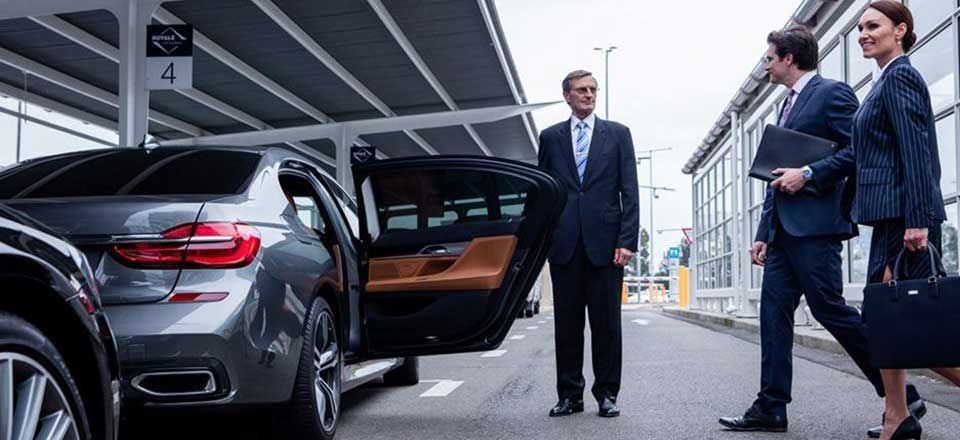
EnviroRide maintains that premium ground travel can combine comfort with sustainability. Every journey is structured to reduce carbon emissions while maintaining a high level of comfort. We focus on using well-maintained, fuel-efficient vehicles to ensure that every trip has a reduced environmental impact. By prioritizing sustainable practices in our daily operations, we demonstrate that convenience and environmental responsibility can coexist. Commuters can benefit from our service by enjoying a seamless journey while knowing that their transportation choice aligns with eco-conscious principles. Opting for eco-friendly transportation advances both personal and planetary well-being.
Air Pollution and Health Implications
The environmental impact of commuting is not limited to carbon emissions; air pollution presents a direct threat to public health. Vehicles emit harmful pollutants such as nitrogen oxides, particulate matter, and volatile organic compounds, which can degrade air quality over time. Prolonged exposure to these pollutants can lead to respiratory illnesses, cardiovascular problems, and other chronic health conditions. Those living close to high-traffic areas are especially at risk due to elevated pollutant levels. Reducing emissions from daily commutes helps mitigate these risks, improving air quality for both drivers and pedestrians alike. Choosing green commuting methods is essential for creating safer, cleaner surroundings.
Opting for greener travel reduces personal exposure to dangerous air contaminants. EnviroRide's high-class ground transportation invest in practices that limit emissions through careful fleet management and efficient driving strategies. This approach simultaneously safeguards health and reduces ecological impact. Taking small, deliberate steps to minimize vehicle emissions can have a meaningful cumulative impact over time. Informing passengers about emissions impacts helps guide smarter commuting choices. Safeguarding environmental and personal health relies on deliberate and coordinated efforts.
Managing Resources in Daily Commuting
Daily travel consumes considerable energy, mostly derived from limited fossil fuel reserves, with significant ecological consequences. Extracting and using fuel depletes resources and harms ecosystems. Individual vehicle trips cumulatively contribute to significant ecological stress. Awareness of energy usage fosters the pursuit of greener travel solutions. Effective energy management underpins long-term sustainability efforts. Understanding the connection between transportation choices and energy demand helps guide responsible commuting practices.
Efficient use of energy is a cornerstone of EnviroRide’s operations, where every route is carefully planned to maximize fuel efficiency. Optimized scheduling and fleet management reduce wasted fuel and enhance operational efficiency. Adopting energy-efficient strategies lessens the ecological footprint of commuting. Passengers benefit from sustainable travel without sacrificing comfort, supporting overall energy conservation. Intelligent planning shows that eco-friendly practices fit naturally into daily travel. Every ride can become an opportunity to make a positive contribution toward resource conservation.
Traffic Congestion and Environmental Strain
Traffic congestion is more than just a source of frustration—it has tangible environmental consequences. Prolonged stop-and-go traffic leads to higher fuel consumption and pollutant release. Traffic congestion contributes to elevated noise pollution, influencing human and animal well-being. Managing traffic density is a recognized strategy among urban and transport authorities to lessen read more ecological pressure. Implementing alternative transportation strategies, including ride-sharing and professional ground transportation, can alleviate traffic density. Smarter commuting choices can enhance efficiency while reducing the environmental footprint of daily travel.
Employing premium ground transport services alleviates congestion in urban centers. By providing reliable, shared, or strategically scheduled rides, we help reduce the number of vehicles on the road. Fewer cars mean smoother traffic flow, lower emissions, and a smaller environmental burden. Commuters benefit from both the convenience of a professional service and the knowledge that their choices help reduce overall congestion. Sustainable transportation planning not only improves travel efficiency but also supports long-term environmental goals. Conscious commuting choices generate positive outcomes for communities at large.
Advances in Eco-Friendly Vehicle Technology
Technological advancements in vehicle design have a significant impact on reducing the environmental consequences of commuting. Advances like electric and hybrid engines optimize energy use while minimizing pollutants. Sustainable technologies are being adopted across luxury transportation services, improving environmental outcomes. Sustainable vehicles not only contribute to cleaner air but also reduce dependency on fossil fuels. Adopting cutting-edge vehicle technology is essential for companies and individuals who wish to minimize their ecological footprint. The shift toward eco-friendly transportation represents a meaningful investment in the health of our planet.
EnviroRide is committed to incorporating advanced vehicle technologies into our fleet, ensuring that each ride is as environmentally responsible as possible. Choosing green vehicles allows EnviroRide to maintain premium service while reducing ecological impact. Riders enjoy top-tier service while helping reduce emissions and conserve energy. Using sustainable tech in luxury transport establishes an industry benchmark. By choosing vehicles designed for efficiency and sustainability, commuters make a conscious choice to protect the environment. Embracing these innovations is a tangible way to create long-term environmental benefits.
Fostering Eco-Conscious Commuting Habits
Individual commuting choices are central to reducing environmental impact, and behavior plays a critical role in shaping outcomes. Commuters who adopt energy-conscious habits, such as carpooling, using professional transportation, or planning efficient routes, can significantly reduce their ecological footprint. Educational programs raise understanding of commuting's environmental effects. Making small adjustments, like reducing unnecessary trips or consolidating errands, compounds into meaningful environmental benefits. Being informed and purposeful fosters responsible commuting. When people recognize their capacity to influence environmental outcomes, they become more motivated to act responsibly.
EnviroRide encourages passengers to consider the broader impact of their commuting choices. By opting for professional, high-class ground transportation, travelers embrace a lifestyle that prioritizes sustainability without sacrificing convenience. Each choice to cut emissions, save fuel, or optimize trips advances sustainability. Behavioral change is not always easy, but with accessible, eco-conscious options, the transition becomes achievable and rewarding. By fostering sustainable habits, we empower individuals to be part of a collective movement toward environmental preservation. Mindful travel habits today safeguard a healthier environment for the future.
How Responsible Travel Benefits Communities
Green commuting affects not just individuals but entire communities. Reduced traffic emissions improve public health, decrease noise pollution, and create more livable urban spaces. Choosing sustainable transport sets an example and encourages community-wide eco-friendly behavior. Communities thrive when members collectively prioritize sustainability in their daily routines, leading to cleaner air, healthier residents, and a reduced ecological footprint. Joint action nurtures communal engagement and environmental care. Each commuting decision has ripple effects that impact neighborhoods, cities, and broader ecosystems.
EnviroRide understands that eco-conscious, premium transportation affects broader society. Every journey we operate sustainably supports environmental and societal health. By choosing services that prioritize environmental responsibility, travelers join us in creating a positive legacy for future generations. Collectively, we can make everyday travel both luxurious and eco-friendly. Participate in transforming every ride into an opportunity for environmental benefit.